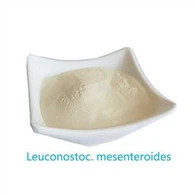




Probioway Co., Ltd. is one of the leading manufacturers and suppliers of lactobacillus ferment lysate in China, also supports custom service. Please feel free to wholesale bulk high quality lactobacillus ferment lysate from our factory. Good service and reasonable price are available.
product specifications
Product form: small ampoule of essence
Source: Lactobacillus casei fermentation
Essence formula: water, glycerin, xanthan gum, propylene glycol, hydroxymethyl dextran sodium, triethanolamine, lactobacillus fermentation lysate, preservatives, fragrance
Claim 1: Young and energetic, the skin is energetic and healthier
Claim 2: Rejuvenate skin and balance skin tone
Instructions for use
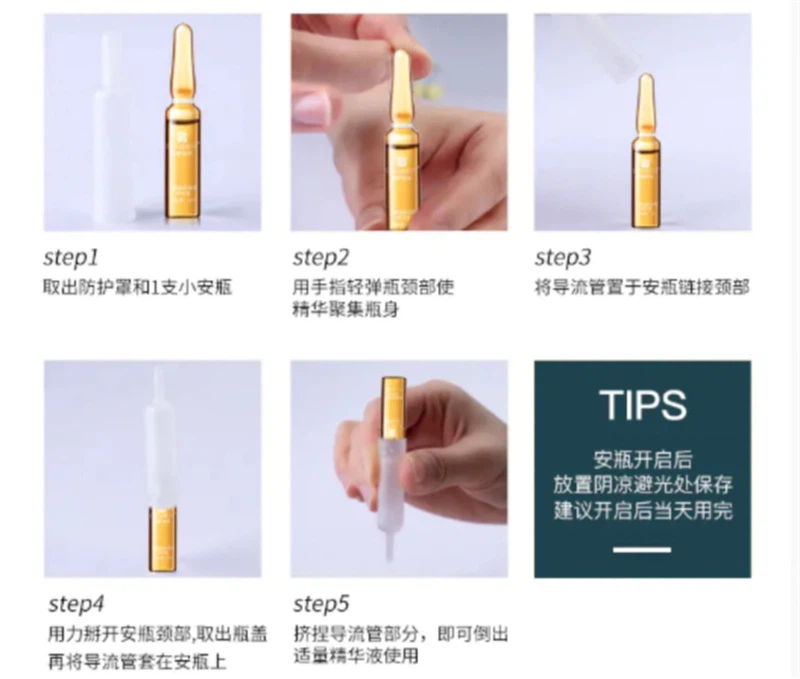
Steps for usage
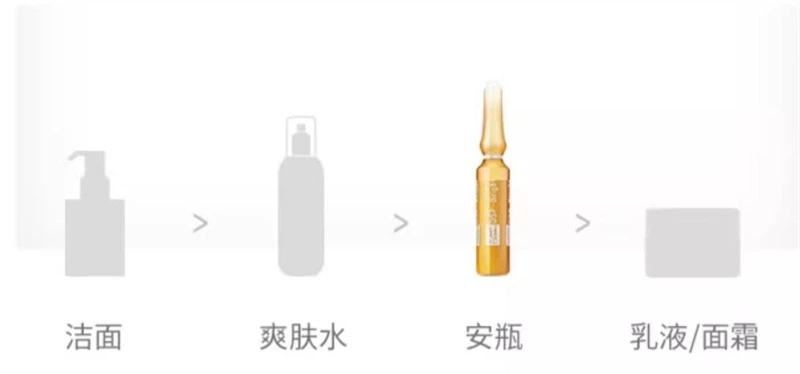
Background introduction
The skin is the largest and most complex barrier organ and ecological system of the human body. Skin microbial populations survive in different environments and provide immune and barrier functions to the host.
The skin's microecological environment is the foundation of skin health. A normal microecological environment gives the skin strong resistance, protection, and repair capabilities, while an abnormal microecological environment can lead to damage to the skin barrier and cause various skin problems, such as Sensitive skin, acne, dandruff, etc. Currently, the most widely used microbial skin care method on the market is to place the metabolites of probiotics on the skin surface to help the growth of beneficial bacteria and inhibit harmful bacteria.
Skin microbiome
The skin is the interface between the body and the external environment. It can help the body resist damage from the environment, such as pathogens, ultraviolet rays, toxic substances, etc. At the same time, the skin also protects the internal tissues and organs of the body. Unlike other mucosal systems, human skin is in a nutrient-poor, high-salt acidic environment. The skin is colonized by a large number of microorganisms: bacteria, fungi, and viruses, which together form the skin flora. There are two main categories of microbial flora on the skin surface: resident bacteria and transient bacteria. Resident bacteria, such as Staphylococcus epidermidis, have settled on the skin surface for a long time. They are less affected by the external environment and have certain benefits for skin health. ; Transient bacteria are those that temporarily reside on the skin surface after contact with the external environment, such as Staphylococcus aureus. These bacteria can easily cause skin infections and have certain negative effects on skin health. Generally speaking, if the resident bacteria on the skin surface are disturbed or destroyed, the balance of skin microecology will be disrupted, which may cause skin inflammation or other skin diseases. Therefore, the microorganisms colonizing the skin play a vital role in skin health.

Figure 1: Interactions between skin microbes and the host
The interaction between skin microorganisms, the host, and the external environment constitutes the microecological balance of our skin. For these little creatures that live on our skin, their world is extremely susceptible to the influence of the temperature, humidity, pH value, hormone levels in the body, immune function, lifestyle, etc. of the host, which is our skin.
The outermost layer of the skin consists of the lipid- and protein-laden stratum corneum, dotted with hair follicles and glands, etc., and covered with a variety of microorganisms that metabolize to produce bioactive molecules such as free fatty acids, phenolic soluble regulatory proteins (PSMs), Antibiotics, etc. These metabolites can prevent pathogen invasion and form immune mediators on host cells, such as interleukin-1 (IL-1) and immune cells in the epidermis and dermis. In turn, host and immune cell activity also influence the microbial composition of the skin.
Lactobacillus fermentation lysate
Lactobacillus fermentation lysate (INCI: LACTOBACILLUS FERMENT LYSATE) contains bacteria and all active ingredients synthesized during the fermentation process, including peptidoglycan, teichoic acid, proteins, phospholipids, sterols, fatty acids, various enzymes, and peptides and amino acids, nucleotides, extracellular polysaccharides, etc., to provide rich nutrition for the skin. Its efficacy and principle of action are also based on the skin microecological homeostasis system and have good anti-aging effects. It is included in the 2015 edition of the "Used Cosmetics" Raw Material Catalog", attracting the attention of OEM cosmetics factories.
The mechanism of action of Lactobacillus fermentation lysates
The integrity of the epidermal barrier function of lactic acid bacteria fermentation lysate is crucial for maintaining skin homeostasis. In its intact state, the skin is balanced, has a healthy appearance, and can withstand day-to-day aggression (cold, repeated washings, allergens, etc.). Moreover, healthy and balanced skin can repair itself. However, if the epidermal barrier is damaged, the skin will lose its balance, resulting in fragile skin and thinning and damaged stratum corneum. In this way, the skin will have a strong feeling even with a small stimulation. Therefore, it is crucial to repair damaged skin and restore a complete skin barrier.

Figure 2: Mechanism of action of Lactobacillus fermentation lysates
Skin wound healing is a complex biological process, which is the result of the comprehensive effects of fibroblast proliferation and differentiation, neovascularization, extracellular matrix fibrosis, and epidermal cell proliferation covering the wound. Lactic acid bacteria lysate can effectively promote the expression of cyclin B1 and proliferating cell nuclear antigen, significantly increasing S+G2 phase cells, thereby accelerating cell proliferation and promoting wound healing. The spread and migration of skin cells are the main determinants of wound healing speed. An in vitro experiment showed that lactobacillus fermentation lysate can increase the migration speed and adhesion of skin cells and promote the proliferation of normal human dermal fibroblasts. Several clinical and animal experiments have found that lactobacillus fermentation lysate has anti-inflammatory effects, promotes wound healing, and prevents excessive scar growth.
Four major functions of Lactobacillus fermentation lysates
Function 1 - Antibacterial: Lactic acid bacteria fermentation lysate contains polypeptide compounds with antibacterial effects such as lactic acid bacterium. It is a natural bacteriostatic agent that has a sedative and bactericidal effect on the skin and adheres to epidermal cells at the same time. Forms a protective barrier on the skin to protect it from attacks by the external environment.
Function 2-Repair: The lactic acid bacteria fermentation lysate contains amino acids, small peptides, polysaccharides, B vitamins, and other beneficial skincare ingredients, which can strengthen the metabolism of the stratum corneum, remove cell-free radicals, inhibit lipid peroxidation, and activate the body. It has to repair properties, inhibit cell tyrosinase activity, and has to repair whitening and antioxidant functions.
Function 3-Anti-allergic: The fermentation lysate of lactic acid bacteria restores the balance of the proportions of various media, which is beneficial to the regulation of the immune system and relieves skin inflammation.
Function 4 - Moisturizing: The lactic acid bacteria fermentation lysate is rich in lactic acid and sodium lactate, which are the main water-soluble acids in the human body's natural moisturizing factor (NMF). It has strong hygroscopicity, effectively enhances the hydration of the stratum corneum, and prevents skin moisture loss. ; Lactic acid and sodium lactate form a buffer solution, which has a good affinity for the skin and can adjust the pH value of the skin.
Application of lactobacillus fermentation lysates
The main function of Lactobacillus fermentation lysate in cosmetics and skin care products is as an antioxidant, which can reduce the number of wrinkles, reduce the depth of wrinkles, improve skin elasticity, brighten skin tone, etc. It is often used for skin repair, skin radiance, skin moisturizing, and In products for sensitive, reactive, and atopic skin care, products are expressed in the form of moisturizing lotions, serums, repair creams, etc.
Currently, there are more than a thousand registered cosmetics on the market containing lactic acid bacteria fermentation lysate. The main functions are moisturizing, skin conditioning, and antioxidants. The products mainly include facial masks, creams, essences, eye creams, etc. Among them, lactic acid bacteria fermentation lysates are added to many products of South Korea's LG Group, as well as to internationally renowned skin care products such as Lancôme Black Bottle, Estee Lauder ANR Brown Bottle, and La Mer Essence Mask.
Security testing
1. Eye irritation test:
Method: Short Time Exposure (STE) Test
The method is an in vitro cytotoxicity-based assay in which rabbit corneal cells (SIRC cells) are cultured on a 96-well polycarbonate plate.
Test substances: solutions of 0.05% and 5% lactic acid bacteria fermentation lysates respectively.
Five minutes after exposure to the test substance, MTT was used to quantitatively analyze the relative survival rate of SIRC cells to determine the toxicity of the test substance.
Results: Lactobacillus fermentation lysates were not classified as causing eye irritation or serious eye damage.
2. Cytotoxicity test:
Method: MTT analysis
Biological model: human epidermal keratinocytes (HaCaT)
Test substances: solutions of 1%, 2%, and 5% lactic acid bacteria fermentation lysates respectively.
Results: When the concentration of lactic acid bacteria fermentation lysate is 2% and below, there is no cytotoxicity.
Efficacy and activity experiments
1. Soothing and repairing
|
Conventional lactic acid bacteria |
Lactic acid bacteria fermentation lysate |
|
|
Superoxide radical scavenging rate(%) |
68.9±2.6 |
78.0±2.9 |
|
Hydroxyl radical scavenging rate(%) |
71.4±3.1 |
80.3±3.5 |
|
SOD activity/(U/mg) |
32.2±1.19 |
36.9±1.23 |
|
H2 production performance(U/mg) |
10.2±0.3 |
12.1±0.3 |
Results: Lactobacillus fermentation lysate has strong antioxidant activity, soothes the skin, and promotes skin barrier repair.
2. Even and translucent
|
test group |
control group |
|||
|
Improve the number of people |
Improvement ratio(%) |
Improve the number of people |
Improvement ratio(%) |
|
|
stains |
45 |
75 |
36 |
60 |
|
chloasma |
21 |
35 |
3 |
5 |
|
melanin |
54 |
90 |
33 |
55 |
Experiments have found that lactic acid bacteria fermentation lysate can effectively improve dark spots, and brighten and whiten the skin.
references:
[1] Grice EA, Segre JA. The skin microbiome. Nat Rev Microbiol. 2011 Apr;9(4):244-53. doi: 10.1038/nrmicro2537. Erratum in: Nat Rev Microbiol. 2011 Aug;9(8): 626. PMID: 21407241; PMCID: PMC3535073.
[2] Chen YE, Fischbach MA, Belkaid Y. Skin microbiota-host interactions. Nature. 2018 Jan 24;553(7689):427-436. doi: 10.1038/nature25177. Erratum in: Nature. 2018 Mar 21;555( 7697):543. PMID: 29364286; PMCID: PMC6075667.
[3] Harris-Tryon TA, Grice EA. Microbiota and maintenance of skin barrier function. Science. 2022 May 27;376(6596):940-945. doi: 10.1126/science.abo0693. Epub 2022 May 26. PMID: 35617415.
[4] Byrd AL, Belkaid Y, Segre JA. The human skin microbiome. Nat Rev Microbiol. 2018 Mar;16(3):143-155. doi: 10.1038/nrmicro.2017.157. Epub 2018 Jan 15. PMID: 29332945.
Hot Tags: lactobacillus ferment lysate, manufacturers, factory, custom, wholesale, bulk, acidophilus lactobacillus acidophilus, lactobacillus casei products, lactobacillus acid pectin, lactobacillus reuteri capsule, lacticaseibacillus casei, lactobacillus johnsonii probiotic