




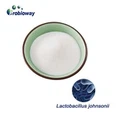

In the fields of microbial health, food processing, pet care, and livestock farming, there are numerous types of probiotics, but only a few truly possess high safety, strong adaptability, and mature application capabilities. Lactobacillus Spp is a benchmark among them. Many industry newcomers, product purchasers, and formulation developers often cannot distinguish between a single probiotic strain and a genera, and have only a superficial understanding of the actual efficacy, applicable scenarios, and industry application advantages of Lactobacillus Spp, leading to frequent pitfalls in product selection and formulation. Based on years of in-depth experience in probiotic raw materials and practical experience in end-product implementation, this article systematically outlines the basic definition, core benefits, mainstream application scenarios, and practical industry selection guidelines for Lactobacillus Spp, helping practitioners quickly build professional knowledge and accurately match product development and procurement needs.
I. What is Lactobacillus Spp? Basic Professional Definition
Many people mistakenly believe that Lactobacillus Spp is a specific type of probiotic, which is a common misconception in the industry. In fact, it is a collective term for all strains of the genus Lactobacillus. The suffix "Spp" is a professional abbreviation in the microbiology field, referring to all known species, subspecies, and functional strains within that genus. Commonly known commercial probiotics such as Lactobacillus plantarum , Lactobacillus acidophilus, Lactobacillus rhamnosus, and Lactobacillus casei all fall under the category of Lactobacillus Spp.
Compared to niche, specialized probiotic strains, *Lactobacillus Spp* has undergone decades of scientific research and market implementation. It boasts stronger strain stability, higher compatibility with humans and animals, and comprehensive safety testing for consumption. It is currently the most widely used broad-spectrum probiotic strain in the global food, health, and livestock industries, with no strict usage restrictions, making it suitable for various mass-market health and production scenarios.
II. Core Practical Benefits of Lactobacillus Spp
The core value of Lactobacillus Spp lies in its ability to continuously generate lactic acid, organic acids, and antibacterial active substances through its own metabolism. This allows it to regulate the body's microecological balance from the root, providing a gentle yet long-lasting effect suitable for daily maintenance needs. Unlike single-strain bacteria with limited functionality, this complex flora can regulate the intestinal environment in multiple dimensions, rapidly inhibiting the excessive proliferation of harmful bacteria such as E. coli and Salmonella, and improving intestinal flora imbalance.
Simultaneously, it effectively repairs damaged intestinal mucosa, improves gastrointestinal motility, and promotes the digestion and absorption of nutrients such as protein and vitamins. For humans, it can improve problems such as bloating, indigestion, and abnormal bowel movements caused by irregular eating habits, prolonged sitting, and lack of sleep. For pets and livestock, it can significantly reduce common problems such as intestinal stress, seasonal diarrhea, and soft stools, reducing the incidence of intestinal diseases and fundamentally improving the body's basic immunity.
III. Mainstream Application Scenarios: Covering Multiple Industry Scenarios
With its safe, stable, and broad-spectrum characteristics, Lactobacillus Spp covers four core sectors: consumer health, food processing, pet healthcare, and livestock farming, with mature commercial applications. In the food and health industry, it is a core ingredient in fermented yogurt, probiotic drinks, and dietary supplements. It optimizes the flavor of fermented foods, extends product shelf life, and replenishes the human body with beneficial bacteria, making it suitable for daily gut health maintenance for all ages. It is also a core formula choice for probiotic products for mothers, infants, and adults.
In the pet and livestock industries, its practical value is particularly prominent. In large-scale livestock farming, high-density rearing easily leads to gut microbiota imbalance and group intestinal problems. Long-term supplementation with probiotic preparations containing Lactobacillus Spp can reduce antibiotic use and improve livestock survival rates and weight gain. In pet care, for common problems such as stress from food changes, seasonal gastrointestinal sensitivity, picky eating, and soft stools in cats and dogs, this strain's formula is gentle and non-irritating, making it the preferred basic care solution for veterinary hospitals and pet food brands.
IV. Industry Selection Guide: Avoiding Common Pitfalls in Probiotic Procurement and Formulation
In industry practice, many practitioners fall into the misconception that all raw materials labeled Lactobacillus Spp are of identical quality and efficacy. In fact, the strain selection process, live bacteria content, freeze-drying technology, and contamination control directly determine the final product's effectiveness. High-quality Lactobacillus Spp raw materials utilize low-temperature freeze-drying to lock in live bacteria, resulting in strains resistant to stomach acid and bile, allowing for successful colonization and exertion in the gut, with high live bacteria stability and low loss rate.
Conversely, inferior raw materials only label the strain name; live bacteria are lost quickly, and colonization ability is weak. Even if added to a product, it cannot achieve effective gut regulation. For brands and buyers, selection should not only focus on the name but also on strain activity, production process, and testing reports to ensure the quality and reputation of the final product.
V. Industry Summary
In summary, Lactobacillus Spp, with its high safety, broad applicability, mature implementation system, and cost-effectiveness, has become an indispensable foundational microbial community in the probiotic industry. Whether for consumer health product development, food processing upgrades, or intestinal health care for pets and livestock, it represents the most cost-effective and forgiving raw material choice. A thorough understanding of the characteristics and application logic of this genus is crucial for creating successful probiotic products and avoiding common pitfalls in the industry.