




Probioway Co., Ltd. is one of the leading manufacturers and suppliers of probiotics for diabetes in China, also supports custom service. Please feel free to wholesale bulk high quality probiotics for diabetes from our factory. Good service and reasonable price are available.
1. Product introduction
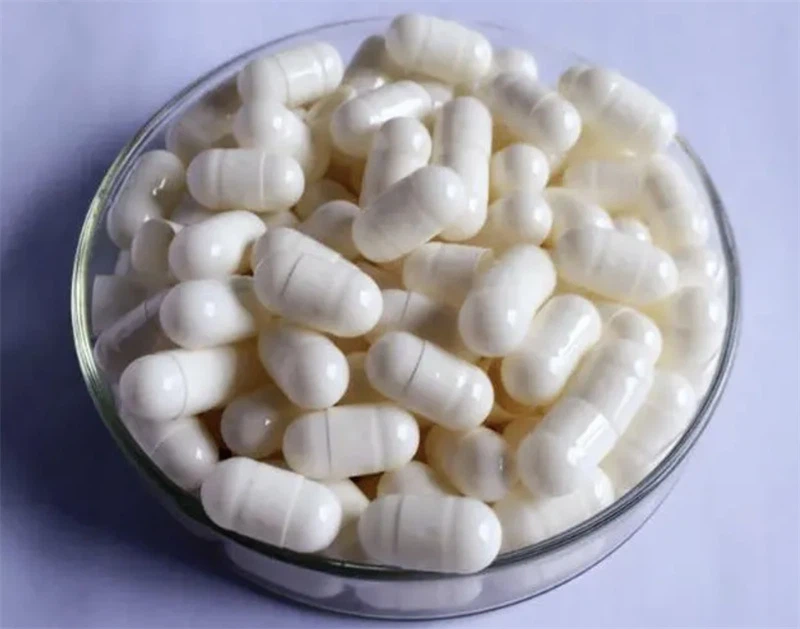
Product name: Probiotic hypoglycemic capsules
Product specifications: 30 capsules/box
Product weight: 0.5 g/tablet
How to take: Based on taking metformin, take probiotic Jiangdiace capsules, 0.5 g/capsule, 2 capsules each time, once/d, and continue medication treatment.
Precautions: It is contraindicated for pregnant women, infants, and young children, patients with excessive heat syndrome, and those with yin deficiency and excessive fire. It is not advisable to eat spicy and cold foods while taking it.
Preservation method: Store in a cool and dry place, preferably refrigerated at 4°C.
Viable bacterial count: Probiotic mixture (40 billion CFU/g), including Lactobacillus plantarum HH-LP 56 (20 billion CFU/g) and Lactobacillus paracasei HH-LP 58 (20 billion CFU/g).
Other ingredients: Momordica charantin, green tea essence, inulin, and fructooligosaccharides.
Description: Helps gastrointestinal health, contains Chinese herbal extracts, and promotes the body's secretion of GLP-1.
2. Consumer research
In the study, 30 adults between the ages of 55 and 65 were recruited, asked to consume probiotic antidiabetic capsules every day for 90 days, and completed a questionnaire. Diabetic patients generally show characteristics such as "polydipsia, polyphagia, polyuria, weight loss" and general weakness. The following table shows the improvement of adverse symptoms of the subjects.
Table 1 Improvement of adverse symptoms of subjects
|
Uncomfortable symptoms |
The proportion of people with improved symptoms |
|
water intake |
80% |
|
urine output |
70% |
|
weight |
80% |
3. Probiotics and Diabetes
Probiotic therapy is currently receiving increasing attention as a potential complementary strategy to drug therapy that is low-cost and free of side effects.
Table 2 Commonly used treatments for diabetes
|
treatment approach |
Advantages and Disadvantages |
|
change lifestyle |
Slow results |
|
Inject insulin |
high cost |
|
Use of antidiabetic drugs |
Serious side effects |
|
Probiotic regulation |
Safe and effective without side effects |
4. The hypoglycemic mechanism of probiotics
Research shows that the mechanism of action of probiotics in regulating diabetes may include the following pathways: (1) regulating blood sugar by increasing adiponectin levels; (2) regulating blood sugar by inducing the secretion of glucagon-like peptide-1 (GLP-1); (3) Regulate blood sugar by improving insulin resistance; (4) Regulate blood sugar by reducing inflammation levels; (5) Regulate blood sugar by enhancing immunity; (6) Regulate blood sugar by improving intestinal flora. Among them, inducing GLP-1 secretion is an important way for probiotics to regulate blood sugar. Therefore, we will further analyze the mechanism of GLP-1 regulating blood sugar.
5. GLP-1 hypoglycemic mechanism
GLP-1 is an incretin-hypoglycemic hormone that can induce the production of insulin inhibit obesity and alleviate type 2 diabetes. In recent years, targeted mining and screening of probiotics that can secrete GLP-1 have gradually become a research focus.
GLP-1 hypoglycemic principle: repairs the function of pancreatic beta cells, stimulates pancreatic beta cell division, and promotes insulin secretion; prolongs the transmission time of hunger signals from intestinal cells to nerve centers, delays gastric emptying, and reduces appetite; inhibits liver glucose Xenobiotics promote the uptake of glucose by the heart, reduce glucagon secretion, decrease the level of glucose reabsorption in the kidneys, and lower blood sugar concentrations.
6. Isolation and screening of probiotics
Beneficial bacteria were isolated and screened from traditional fermented foods such as kimchi, and the 16S rDNA gene sequence was used to confirm that the obtained strains were safe and reliable and would not cause harm to the human body. By comparing the differences of strains in promoting GLP-1 secretion in rats, 4 strains of probiotics with potential hypoglycemic effects were initially screened, and then compared with their tolerance to gastric acid and bile salts and mucosal adhesion, and re-screened to obtain Lactobacillus plantarum HH-LP 56 and Lactobacillus paracasei HH-LP 58 are two probiotic strains that can both lower blood sugar and colonize well in the body.
7. Verification of hypoglycemic effect
First, a diabetic rat model is established. The rats are fed with high-fat and high-sugar feed for 8 weeks to increase their blood sugar. Then streptozotocin is injected once to destroy the β-cells that secrete insulin to establish type 2 diabetic rats. Model. The experimental rats were divided into normal group, model group (sick mice), positive drug group (metformin group), high-dose compound probiotic group (90 mg/kg/d), and low-dose compound probiotic group (90 mg /kg/d). Experimental mice were observed by intragastric administration for 4 weeks, and the GLP induced by different doses of probiotics was compared by detecting fasting blood glucose, GLP-1 and PYY (peptide tyrosine) contents in serum, and colonic GLP-1 protein levels. -1 ability to secrete.
Note: The bacterial powder used in the high-dose compound probiotic group has a viable count of 40 billion (2.0×10¹⁰ CFU/g HH-LP 56 and 2.0×10¹⁰ CFU/g HH-LP 58). The bacterial powder used in the low-dose compound probiotic group The viable bacterial count is 4 billion (2.0×10⁹ CFU/g HH-LP 56 and 2.0×10⁹ CFU/g HH-LP 58).
The test results are as follows:
Table 3 Effect of compound probiotics on fasting blood glucose (FBG) in rats (mmol/L)
|
Group |
before intervention |
Week 1 |
Week 2 |
Week 3 |
Week 4 |
|
model group |
22.89 ± 2.01a |
23.99 ± 3.48a |
24.28 ± 3.01a |
25.34 ± 2.65a |
25.79 ± 3.03a |
|
metformin group |
22.05 ± 3.88 |
21.75 ± 2.45 |
20.45 ± 2.54 |
18.60 ± 3.01b |
17.67 ± 2.65c |
|
Low dose compound probiotic group |
22.78 ± 1.35 |
23.09 ± 2.85 |
24.30 ± 2.50 |
23.21 ± 1.66 |
21.34 ± 2.65d |
|
High dose compound probiotic group |
22.36 ± 3.01 |
21.99 ± 1.99 |
21.34 ± 2.01 |
19.53 ± 3.84d |
18.64 ± 2.05c |
|
normal group |
5.34 ± 0.45 |
5.28 ± 0.38 |
5.04 ± 0.58 |
5.23 ± 3.27 |
5.30 ± 0.19 |
Compared with the rats in the normal group, the FBG in the model group was significantly higher than that in the normal group from before the intervention to the 4th week of intervention; compared with the rats in the model group, the metformin group and high-dose compound probiotics from the 3rd week to the 4th week of intervention The FBG of the control group was significantly reduced, and the FBG of the low-dose compound probiotic group was significantly reduced in the 4th week.
Table 4 Effects of compound probiotics on serum GLP-1 and PYY in rats
|
Group |
GLP-1(pmol/L) |
PYY(mmol/L) |
|
model group |
3.60 ± 0.10a |
2.35 ± 0.20a |
|
metformin group |
4.89 ± 0.20b |
3.55 ± 0.08b |
|
Low-dose compound probiotic group |
3.98 ± 0.18b |
2.89 ± 0.25b |
|
High-dose compound probiotic group |
4.66 ± 0.12b |
3.41 ± 0.14b |
|
normal group |
5.02 ± 0.11 |
3.75 ± 0.08 |
Compared with the normal group, the serum GLP-1 and PYY contents of rats in the model group were significantly reduced. Compared with the model group, the GLP-1 and PYY contents of rats in the metformin group, low-dose compound probiotic group, and high-dose compound probiotic group increased significantly.

Figure 1 Effect of compound probiotics on rat colon GLP-1 protein levels
Compared with the normal group, the GLP-1 protein level in the colon of rats in the model group was significantly down-regulated; compared with the model group, the GLP-1 protein level of rats in the metformin group, low-dose compound probiotic group, and high-dose compound probiotic group was significantly increased.
After administrating 4.0×10¹⁰CFU/g of compound probiotic powder (90 mg/kg/d) into the rats in the model group, the fasting blood glucose and GLP-1 levels in serum and GLP-1 protein in the colon were measured. Level, the results showed that the probiotic strains Lactobacillus plantarum HH-LP 56 and Lactobacillus paracasei HH-LP 58 showed a strong ability to induce GLP-1 secretion, indicating their potential to reduce blood sugar in diabetic patients.
references:
[1] Sun Xin, Galhasbek Selik, Wang Yanming, etc. Effects and regulatory mechanism of milk-derived compound probiotics on GLP-1 in type 2 diabetic rats [J]. Chinese Journal of Microecology, 2020, 32(04): 384-391. DOI: 10.13381/j.cnki.cjm.202004003
[2] L Tian, R Zhao, X Xu, Z Zhou, X Xu, D Luo, Z Zhou, Y Liu, A Kushmaro, R S. Marks, A Dinnyés, Q Sun, 2023. Modulatory effects of Lactiplantibacillus plantarum on chronic metabolic diseases. Food Science and Human Wellness, 12 (4): 959-974. https://doi.org/10.1016/j.fshw.2022.10.018.
[3] Y Wang, D Dilidaxi, Y Wu, J Sailike, X Sun, X Nabi, 2020. Composite probiotics alleviate type 2 diabetes by regulating intestinal microbiota and inducing GLP-1 secretion in db/db mice. Biomed Pharmacother, May: 125:109914. doi 10.1016/j.biopha.2020.109914.
8. Human dose conversion
The recommended daily probiotic intake per kilogram for rats is 90 mg×4.0×1010CFU/g, which is 3.6×10⁹CFU;
Converted based on a body weight of 70 kg, the equivalent dose in rats is equivalent to 6.3 times that of a human body. The recommended daily probiotic intake for an adult weighing 70 kg is 3.6×10⁹CFU÷6.3×70 kg, that is, 4.0×10¹⁰CFU.
9. Analysis of excipients
Momordica charantin (peptides, polysaccharides, steroidal saponins): repairs damaged pancreatic beta cells, improves insulin levels and sensitivity; inhibits glucose absorption by inhibiting glucosidase, and inhibits the activity of disaccharides to exert a hypoglycemic effect.
Green tea essence: Tea polyphenols, tea polysaccharides, tea pigments, vitamins, and certain mineral elements in tea have a certain inhibitory effect on the rise of blood sugar. The tea polyphenols in green tea have the functions of protecting pancreatic beta cells, antioxidants, and scavenging. Function of free radicals.
Inulin and fructooligosaccharides: commonly used prebiotics to promote the growth and metabolism of probiotics in the body.
Hot Tags: probiotics for diabetes, manufacturers, factory, custom, wholesale, bulk, acidophilus bifido candida, baby probiotics, top rated probiotics for digestive health, good gut bacteria supplement, prebiotic probiotic postbiotic, acidophilus gse candida