




Microbial inoculants have become core raw materials for replacing chemical agents, optimizing product formulas, and improving planting and breeding benefits in the fields of biological feed, agricultural planting, aquaculture, and biological environmental protection. Most buyers often feel confused when selecting microbial strains. There are a wide range of strains on the market with seemingly similar functions, making it difficult to identify the best option for specific production lines and end-use scenarios. Many enterprises have tried various inoculant products but still face unstable efficacy, high raw material loss, and poor compatibility issues, which are the biggest concerns for procurement and R&D teams. Among all commercial strains, Bacillus subtilis has remained a widely adopted and cost-effective choice for B-end buyers across diverse industries.
Stability, reliable practical efficacy, and broad scenario adaptability are the three core demands of most industrial buyers, and this strain fully meets these industry requirements. Unlike common probiotics that are fragile and easily inactivated, it features outstanding stress resistance and can withstand high temperatures, dry environments, and acid-base fluctuations. This advantage is particularly critical for industrial processes such as feed extrusion, high-temperature granulation, and long-term storage and transportation. It effectively prevents massive strain deactivation during production, resolves the common problem of inconsistent finished product efficacy, and significantly reduces raw material loss costs for enterprises.
A frequent question among buyers is why identical inoculant products deliver vastly different results from different manufacturers. The key factor is not the nominal viable bacteria count, but the strain's colonization ability and activity stability. High-quality Bacillus subtilis can quickly adapt to the application environment, multiply rapidly, and inhibit the proliferation of harmful microorganisms through competitive exclusion. In agricultural planting, it improves soil microecology, alleviates soil compaction, reduces soil-borne diseases, and promotes healthy crop growth. In livestock and aquaculture farming, it regulates intestinal flora, boosts digestion and nutrient absorption, lowers disease incidence, and minimizes breeding losses.
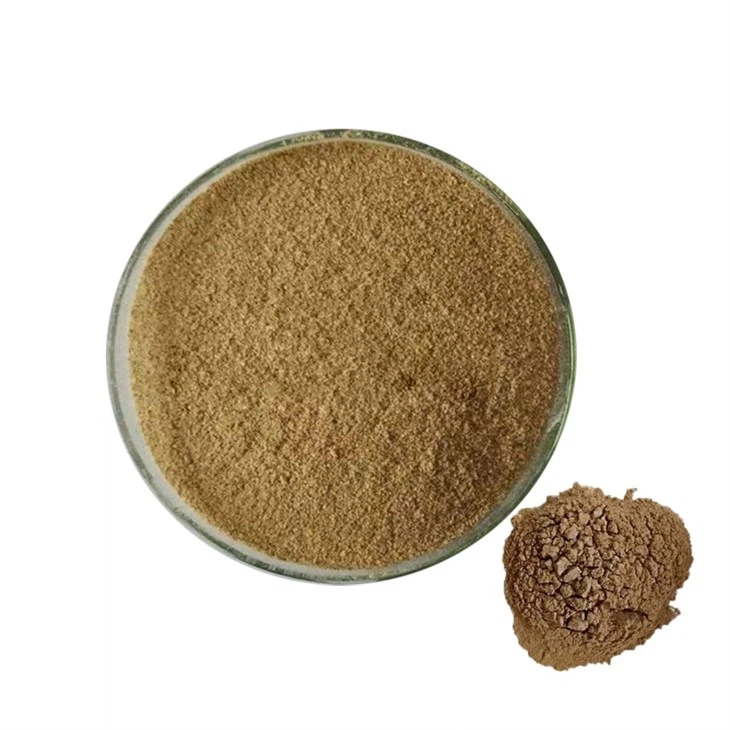
Many buyers also struggle with price discrepancies across the market and wonder whether low-cost inoculant raw materials are worth purchasing. The quality of microbial inoculants mainly depends on three core indicators: strain activity, sporulation technology, and purity. Low-priced inferior products usually come with low sporulation rates, excessive miscellaneous bacteria, and poor activity retention. Although they reduce upfront procurement costs, they lead to compromised application effects and even damage the quality of end products, resulting in greater long-term economic losses. Manufactured with mature processes, Bacillus Subtilis products feature stable spore structure and high viable bacteria retention rate, ensuring consistent performance in all scenarios throughout the product lifecycle and delivering far better comprehensive cost performance than low-grade alternatives.
Powerful scenario compatibility is another key reason for its long-term market popularity. Many specialized strains have single functions and only apply to narrow segmented scenarios, failing to support enterprises' diversified production needs. In contrast, Bacillus subtilis boasts strong compatibility and stable performance in green agricultural planting, livestock and aquaculture breeding, industrial biological deodorization, and water body improvement. It adapts to the diversified business layout of most manufacturers, simplifies raw material procurement categories, and reduces supply chain management costs.
For B-end purchasers, strain selection should never rely on a single indicator but on comprehensive evaluation of stability, adaptability, safety, and cost performance. Most microbial strains have inherent defects, such as poor processing resistance, limited functions, or insufficient compliance. Fully verified by long-term market practice, Bacillus Subtilis has become a versatile premium strain for industrial, planting and breeding industries, thanks to its zero-residue safety, wide adaptability, processing tolerance, and stable efficacy.
In summary, the core logic of strain procurement and selection is to match actual production scenarios and ensure stable long-term application results. Enterprises should abandon the one-sided selection mindset of only focusing on price and nominal viable bacteria count. Prioritizing strains with mature production processes, stable activity, and complete compliance qualifications can maximize the value of microbial inoculants and steadily improve product quality and economic benefits.
Should you need product maintenance guidelines or professional purchasing advice for Bacillus subtilis, feel free to get in touch with our team.