




Enterococcus faecium is a Gram-positive coccus widely present in the intestines of humans and animals. It is one of the most widely used probiotic strains today. With its high stability, strong survivability, and diverse functions, it plays a key role in human nutrition and health, animal farming, and functional food development.
So, what are the unique characteristics of Enterococcus faecium? And what are its specific applications? Let's take a closer look.
I. Key Characteristics of Enterococcus faecium
1. Excellent Environmental Tolerance
Enterococcus faecium has strong adaptability to external environments. This strain is resistant to gastric acid and bile salts, allowing it to survive the acidic conditions of the stomach and successfully reach and colonize the intestines. This trait ensures it remains active and effective after entering the human or animal body.
Moreover, it can withstand high temperatures and dry conditions, making it suitable for industrial processes like spray drying and freeze drying. Its durability makes it an ideal candidate for manufacturing into powders, granules, or capsules as probiotic supplements.
2. Strong Adhesion and Rapid Colonization
Enterococcus faecium can quickly colonize the intestinal mucosal surface, forming a "biological barrier" by binding to the host's mucosal cells. It occupies adhesion sites and prevents harmful bacteria from attaching-offering a "first come, first served" advantage. This strong adhesion is essential for maintaining long-term probiotic effectiveness.
3. Remarkable Antibacterial Activity
This strain produces several natural antimicrobial substances, including lactic acid, hydrogen peroxide, and bacteriocins (such as enterocin), which can inhibit the growth of harmful bacteria like Salmonella, Escherichia coli, and Staphylococcus aureus. This helps maintain a healthy microbial balance in the gut.
4. High Safety Profile with No Toxicity or Side Effects
As a probiotic strain, Enterococcus faecium has undergone multiple safety screenings. It does not carry toxin genes or antibiotic resistance genes, and it does not cause intestinal infections or bacteremia. Its use in humans, pets, and livestock has shown good safety and tolerance.
5. Fast Fermentation and High Biomass Yield
The strain reproduces quickly and produces a high quantity of biomass per unit, making it cost-effective in industrial production. It is widely used in feed additives, dairy fermentation, and probiotic powder production.
II. Main Functions of Enterococcus faecium
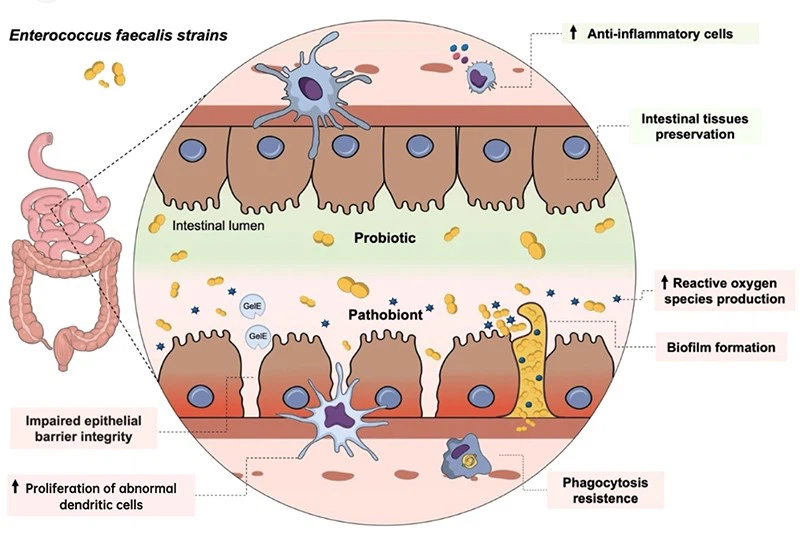
1. Maintains Gut Microbiota Balance
Enterococcus faecium effectively inhibits harmful bacteria in the gut, promotes the growth of beneficial bacteria, and helps restore microbial balance. It is often used to alleviate symptoms like diarrhea, constipation, and bloating. After antibiotic treatment, it can aid in the rapid recovery of gut flora.
2. Boosts the Immune System
This strain activates the host immune response by stimulating immune cells like macrophages and T-lymphocytes. Long-term use of Enterococcus faecium may enhance the integrity of the gut mucosal immune barrier, reducing the risk of bacterial and viral infections.
3. Enhances Nutrient Absorption and Feed Efficiency (Animal Use)
In animal farming, adding Enterococcus faecium to feed improves feed conversion rates, promotes growth, and reduces diarrhea-especially in weaning piglets, poultry, and ruminants. It is commonly used as a natural, safe, antibiotic-free alternative to traditional growth promoters.
4. Relieves Lactose Intolerance and Constipation (Human Use)
Enterococcus faecium can improve lactose metabolism and enhance nutrient absorption in the gut, benefiting people with lactose intolerance and sensitive digestive systems. It also promotes intestinal motility and can help relieve constipation by supporting regular bowel movements.
III. Broad Application Fields
- Human probiotics (capsules, powders, functional beverages)
- Pet probiotic supplements (gut health products for dogs and cats)
- Feed additives for livestock and aquaculture (antibiotic-free farming)
- Dairy fermentation (yogurt, cheese, fermented milk)
Conclusion
Enterococcus faecium is a high-quality probiotic strain with a strong safety record, stability, and versatile functionality. Whether used for regulating intestinal health, boosting immunity, or in feed additives and functional foods, it has demonstrated wide application potential. With the advancement of "precision probiotic intervention," it is poised to play an even more significant role in future health and nutrition industries.