




Prebiotics are a type of dietary supplement consisting of non-digestible food components that confer health benefits to the host by selectively stimulating the growth and/or activity of one or a limited number of beneficial microorganisms in the gut, thereby improving host health.
The concept of prebiotics was first proposed in 1995 by Glenn Gibson, internationally recognized as the "father of prebiotics." Prebiotics refer to organic substances that are not digested or absorbed by the host but can selectively promote the metabolism and proliferation of beneficial intestinal bacteria, leading to improved host health.
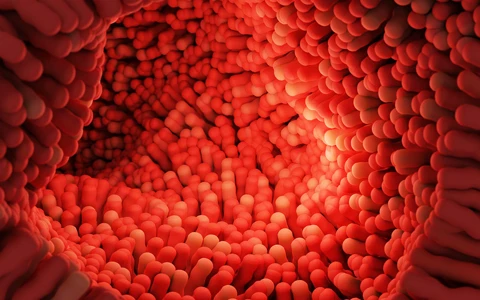
An effective prebiotic should largely resist digestion in the upper gastrointestinal tract and be fermentable by the intestinal microbiota once it reaches the colon. Importantly, it should selectively stimulate the growth of beneficial bacteria without promoting potentially pathogenic or putrefactive microorganisms. Most prebiotics are carbohydrates; however, by definition, non-carbohydrate substances are not excluded from being classified as prebiotics. In theory, any substance that suppresses harmful bacteria while favoring the growth or activity of beneficial microbes may be considered a prebiotic.
Because prebiotics cannot be broken down, absorbed, or utilized by the human body, they pass through the digestive tract to the colon, where some are fermented and utilized by the colonic microbiota. By promoting the growth of beneficial intestinal microorganisms, prebiotics play an important role in improving gut microecology and in supporting the metabolism of lipids, proteins, and minerals. As a result, prebiotics are increasingly and widely applied in the food, feed, and related industries.
Commonly used prebiotics include oligosaccharides such as fructo-oligosaccharides (FOS), galacto-oligosaccharides (GOS), xylo-oligosaccharides (XOS), isomalto-oligosaccharides (IMO), soybean oligosaccharides, and inulin. Certain microalgae can also function as prebiotics, including spirulina and Aphanizomenon. In addition, polysaccharides (such as Trametes versicolor polysaccharides and carrot nitrogen-containing polysaccharides), protein hydrolysates (such as casein hydrolysates, α-lactalbumin, and lactoferrin), as well as vegetables, traditional Chinese medicinal herbs, and wild plants of natural origin can also be used as prebiotics.