




With the rapid advancement of modern technology and the deepening understanding of ecological and environmental protection, the value of microbial resources in the field of ecological governance has been gradually discovered. Among them, probiotics, with their unique biological activity and ecological adaptability, have seen their application potential in the field of environmental health fully unleashed, becoming a core emerging technology direction for green environmental protection and ecological restoration. The diversified application of probiotics in all scenarios of environmental health breaks through the limitations of traditional pollution control. They can not only efficiently optimize air quality and purify water and soil, but also reduce environmental pollution load from the source and significantly improve resource recycling efficiency. They combine environmental, economic, and social benefits, demonstrating extremely broad development space and application prospects, and providing a brand-new biological solution for the sustainable development of the global ecological environment.
I. Core Application Scenarios of Probiotics in Environmental Health
1. Water Ecological Purification: Reshaping the Ecological Balance of the Aquatic Environment
Probiotics play an irreplaceable role in biological purification for common water environment problems such as eutrophication, odor pollution, and the proliferation of harmful algae. These functional microorganisms can precisely decompose harmful substances such as ammonia nitrogen, hydrogen sulfide, organic waste, and residual pollutants in water. Through their metabolic activities, they effectively increase the dissolved oxygen content and transparency of water, eliminating odors at the source, while inhibiting the excessive reproduction of harmful algae such as cyanobacteria and green algae, thus preventing ecological imbalance in the water body. Through the continuous action of probiotics, damaged aquatic ecosystems can be gradually repaired, helping rivers, lakes, landscape water bodies, aquaculture water bodies, and other types of water bodies to return to a naturally clean state, achieving a virtuous cycle of the water environment.
2. Soil Ecological Restoration: Awakening the Soil's Original Vitality
Soil pollution and degradation are core challenges in agriculture and ecology. Probiotics, with their multiple mechanisms of action including bioadsorption, biotransformation, bioaccumulation, degradation, and activation, have become a preferred solution for green soil restoration. Probiotics can effectively decompose residual pesticides, heavy metal complexes, and organic pollutants in the soil, improve soil aggregate structure and pH balance, and gradually restore the soil's natural physicochemical properties and biological activity. Simultaneously, they optimize the soil microbial community structure, enhance soil fertility, water and fertilizer retention capacity, and crop suitability, contributing to the ecological restoration of degraded, polluted, and saline-alkali soils, thus laying a solid soil foundation for green agriculture and ecological planting.
3. Solid Waste Resource Utilization: Turning Waste into Treasure through Recycling
In the field of solid waste treatment, especially organic solid waste, probiotics overcome the drawbacks of traditional landfill and incineration methods, achieving the reduction, harmlessness, and resource utilization of pollutants. Probiotics can efficiently accelerate the degradation process of various organic wastes such as kitchen waste, agricultural waste, and garden waste, significantly reducing leachate, greenhouse gas emissions, and odor diffusion from landfills, and reducing solid waste pollution to the surrounding environment. At the same time, they can convert organic waste into high-quality compost, bio-organic fertilizer, and other usable resources, opening up a circular chain of "organic waste - biodegradation - agricultural resources", realizing the efficient utilization of solid waste resources, and contributing to the development of a circular economy.
4. Air Quality Optimization: Creating a Clean and Livable Space
Specific strains of probiotics also possess excellent air purification capabilities, addressing issues such as indoor and outdoor air odors and excessive levels of harmful microorganisms. These probiotics can inhibit and reduce harmful bacteria, viruses, mold, and other pathogenic microorganisms in the air through biological antagonism, while simultaneously decomposing odor molecules in the air, improving air quality at its source rather than simply masking odors. They are currently widely used in residential spaces, livestock farms, public venues, waste treatment plants, industrial workshops, and other scenarios, effectively optimizing the living and production environment for humans and animals and reducing the risk of airborne pathogens.
II. Core Advantages and Market Demand of Probiotic Environmental Products
Compared to traditional chemical and physical remediation methods, probiotic environmental protection products possess unparalleled core advantages: First, they are widely adaptable, capable of meeting the environmental remediation needs of different climates, scenarios, and pollution levels; second, they are highly targeted, allowing for customized strain combinations based on specific pollution types to precisely tackle remediation challenges; third, they are green and safe, leaving no chemical residues, causing no secondary pollution, and having no negative impact on the ecological environment and food chain; fourth, they have low management costs, are easy to operate and maintain, and offer long-term stability, significantly reducing long-term remediation costs.
Leveraging these core advantages, the market demand for probiotic products continues to rise in areas such as comprehensive environmental remediation, urban and rural odor control, ecological restoration, livestock environment purification, and solid waste resource utilization, becoming a core track for the transformation and upgrading of the environmental protection industry, with its application scope and market size constantly expanding.

III. Probioway Co., Ltd.: A Professional Probiotic Environmental Solutions Provider
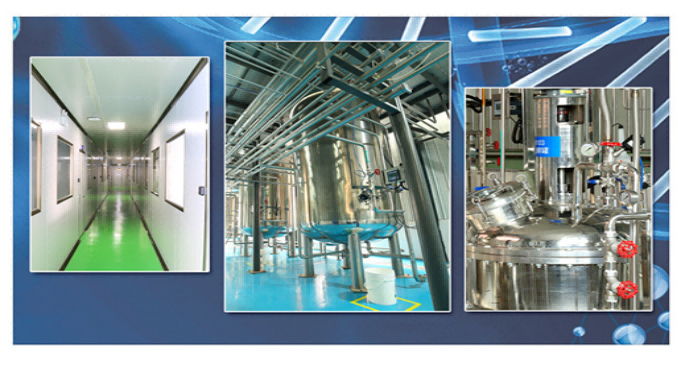
Probioway Co., Ltd. has been deeply involved in the research and application of probiotics for many years, consistently focusing on the pain points of the environmental health industry. The company specializes in the research, development, production, and application of novel functional probiotic products. Probioway boasts a team of experienced and highly skilled professional scientists, deeply rooted in microbial environmental protection technology research and practical governance scenarios. With a comprehensive technology R&D system, product customization capabilities, and project implementation experience, the company can tailor efficient, green, and suitable probiotic products and integrated solutions to address various environmental management challenges. This helps clients efficiently solve various environmental problems such as water purification, soil remediation, solid waste treatment, and air quality improvement, promoting high-quality and sustainable ecological development.
For more information on probiotic environmental application products, technical solutions, and cooperation details, please feel free to contact us to explore new paths for green environmental protection together.