




As a foreign trade buyer, especially those in the food, health product, and feed sectors, you're most likely to fall into the trap of "falsely labeled parameters, insufficient activity, and inferior products" when purchasing Ococcus Probiotics. Many buyers only focus on price and surface parameters, ignoring the core quality indicators of Ococcus Probiotics. This ultimately leads to goods failing to meet downstream production needs after customs clearance due to insufficient strain activity and substandard live bacteria counts, even resulting in customer complaints, returns, economic losses, and reputational damage. Today, we'll break down the key points for avoiding pitfalls in Ococcus Probiotics procurement, methods for judging core indicators, and techniques for identifying genuine and counterfeit products, based on practical foreign trade procurement scenarios, to help you make accurate selections and avoid procurement pitfalls.
First, it's important to understand that the core value of Ococcus Probiotics lies in "strain activity" and "live bacteria count," which are also the two key points where suppliers are most likely to mislead you during procurement. Many suppliers, in order to reduce costs and improve price competitiveness, may falsely advertise live bacteria counts or neglect temperature control during production and transportation, leading to strain inactivation. While the price may appear favorable, the actual purchased products are practically useless. For foreign trade buyers, downstream customers (such as food factories and health product companies) have extremely high requirements for the live bacteria count of Ococcus Probiotics. Generally, industrial-grade purchases require a live bacteria count ≥10^9 CFU/g, while high-end food and health product sectors require ≥10^10 CFU/g. When purchasing, suppliers must provide authoritative third-party testing reports (such as SGS or ISO certification reports), clearly indicating the live bacteria count, strain type, and testing date, rejecting "verbal promises" or vague parameter descriptions.
Secondly, assessing the stability of strain activity is a core aspect of purchasing Ococcus Probiotics. As a type of probiotic with strong acid and bile salt tolerance, the activity of Ococcus Probiotics is greatly affected by temperature, humidity, and storage conditions. Especially in foreign trade, with long transportation cycles and significant regional climate differences, insufficient strain stability can easily lead to inactivation during transportation. When purchasing, it's crucial to inquire about the supplier's production process and packaging methods: high-quality Ococcus Probiotics are produced using freeze-drying technology, maximizing strain activity. The packaging features vacuum sealing and aluminum foil for light protection, along with a desiccant to prevent moisture absorption. Inferior products often use ordinary drying processes with flimsy packaging, making it difficult to guarantee strain activity. Furthermore, it's essential to confirm the supplier's transportation plan, including whether cold chain transportation is used, especially for exports to high- or low-temperature regions, as cold chain transportation is critical for ensuring strain activity.

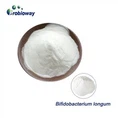
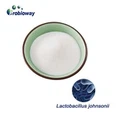
In foreign trade procurement, distinguishing between genuine and counterfeit Ococcus Probiotics is particularly important. There are many cases on the market where ordinary probiotics are used to impersonate Ococcus Probiotics, or dead bacteria are used to impersonate live bacteria. Here are 3 simple and easy-to-use identification techniques that can be used directly when purchasing. First, verify the strain type and test report. High-quality Ococcus Probiotics will clearly indicate the specific strain type (e.g., *Lactococcus plantarum*, *Pediococcus lactis*, etc.), and the test report will include strain identification results. Counterfeit products will not provide specific strain types, or the test report parameters will be vague. Second, observe the product's appearance and solubility. High-quality freeze-dried Ococcus Probiotics are white or pale yellow powder, uniform and fine, without lumps, and dissolve quickly in warm water, leaving a clear solution without sediment. Inferior products often clump, dissolve slowly, and the solution is cloudy, or even separates into layers. Third, test the strain activity (a simple method). Inoculate the dissolved probiotic solution into milk and incubate it at 37°C for 24 hours. High-quality Ococcus Probiotics will cause the milk to ferment, turn sour, and coagulate, while inferior products or those with dead bacteria will show no obvious changes.
Finally, a crucial reminder for foreign trade buyers: when purchasing Ococcus Probiotics, do not blindly pursue the lowest price; consider product quality, supplier strength, and after-sales service. High-quality suppliers not only provide products that meet standards and complete testing reports, but also offer customized packaging and transportation solutions based on procurement needs, assist with customs clearance, and ensure batch stability, preventing production disruptions caused by quality differences between batches. Furthermore, in foreign trade procurement, it's essential to confirm whether the products meet the environmental and safety standards of the export destination, such as FDA and EU certifications in European and American markets, to ensure smooth customs clearance.
In summary, the core of procuring Ococcus Probiotics lies in controlling the two key indicators of strain activity and viable cell count, mastering simple techniques for identifying genuine products, avoiding low-price traps, and choosing reliable suppliers to reduce procurement risks and meet the needs of downstream customers. If you have any questions about strain selection or identification methods during the procurement process, please leave a message for consultation; we will provide you with professional procurement advice.