





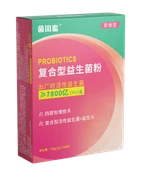
Probiotics usually have a certain effect in improving immunity. Probiotics are beneficial active microorganisms that can parasitize the human body. They can activate the human immune system and promote immune cells to perform their respective functions, thereby achieving certain antibacterial and antiviral effects. However, it should be noted that probiotics will not increase immune cells, but only have a certain activation effect.
The main functions of probiotics are to regulate intestinal flora, regulate enterohepatic circulation, and promote food digestion. Regular use of antibiotics, poor eating habits, gastrointestinal diseases, etc. may also reduce the number of probiotics in the human intestine, resulting in uncomfortable symptoms of intestinal flora imbalance such as indigestion. In daily life, probiotics can be supplemented through oral administration, such as yogurt rich in active probiotics. However, for people suffering from intestinal flora imbalance, gastrointestinal diseases, etc., it is recommended to follow the doctor's advice to supplement medicinal probiotics and prebiotics for treatment. At the same time, pay attention to a balanced diet and appropriate exercise, which will also have certain benefits in the treatment of the disease.
The role of probiotics in improving immunity is limited. If you want to improve your physical fitness, it is more important to develop good work and rest habits, eating habits, living habits, etc. Maintain the function of your own immune system. It is recommended to seek medical diagnosis and treatment in time after getting sick. You must not blindly take medication.

How do probiotics improve immunity?
1. build connection
Probiotics carry many antigens on their surface. After entering the human body, they will recognize each other and establish direct contact with the antibodies carried by lymphocytes, dendritic cells, M cells, and goblet cells. at the same time.
Probiotics can also metabolize short-chain fatty acids (acetic acid, propionic acid, and butyric acid), secrete certain active substances (γ-aminobutyric acid GABA, 5-hydroxytryptamine 5-HT, certain enzymes, etc.) and establish the immune system. indirect contact.
2. Take the initiative to attack
When putrefactive bacteria and pathogenic bacteria proliferate excessively in the intestines, the original balance of intestinal flora is bound to be broken, and various health problems are prone to occur.
Probiotics form a bacterial membrane barrier by adhering to the surface of the intestinal mucosa, and a large number of probiotics and pathogenic bacteria compete for attachment positions and common fermentation substrates in the intestine.
It also secretes substances with bactericidal activity and takes harmful bacteria out of the body through direct elimination of harmful bacteria or after isoelectric adhesion, through feces, etc., so that harmful bacteria cannot survive in the intestines.
3. Command the overall situation
Probiotics will prompt the intestinal epithelium to secrete mucin and maintain dense connections between epithelial cells, preventing pathogens from invading the human body from the intestines, and secrete antibacterial peptides and bacteriocins that directly act on intestinal pathogens.
At the same time, it directs lymphocytes (B cells and T cells) to produce antibodies and assigns interferons to divide cells, thereby producing humoral and cellular immunity.
In addition, probiotics will also send out active factors to "disguise" them as immune regulatory factors, activate non-specific immune functions, and regulate the immune system within the appropriate functional range. It not only ensures the timely killing of pathogens but also does not mistakenly attack probiotics and intestinal symbiotic bacteria.
4. defensive attack
Butyric acid produced by probiotics during intestinal fermentation is the main energy source for intestinal epithelial cells. With sufficient energy, these cells can fully play their role in "defending the home and the country."
Moreover, the development of intestinal flora and lymphoid tissue is completed in the early stages of human life. If the establishment of intestinal flora is affected by autoimmune deficiencies or other factors, appropriate probiotic supplementation will contribute to the development and maturation of the immune system.
Probiotics can also regulate systemic immune function through interaction with the endocrine system and nervous system. The active substances produced by the metabolism of probiotics are directly circulated to organs far away from the intestines such as the liver and brain, putting the entire body's immune system in an optimal fighting state.
